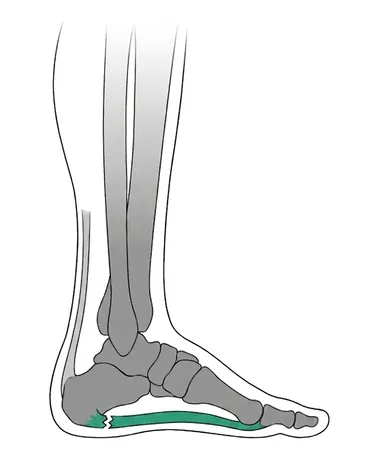
Stage 5 is preventative maintenance — the habits that keep heel pain away once you have worked through the earlier stages. Most relapses are not mysterious; they happen when stretching stops, load spikes, or footwear slips.
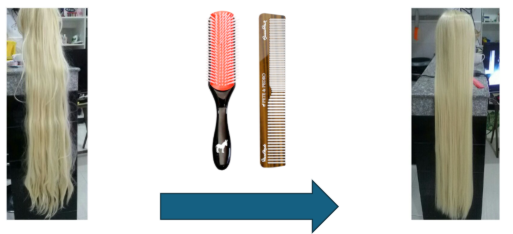
When to move to Stage 5
You are in maintenance mode when daily life and your chosen activities feel manageable, morning first-step pain is mild or absent most days, and you have returned to your normal routine (or a sensible version of it) without week-on-week worsening.
- You do not need zero symptoms forever — occasional mild stiffness can be normal.
- You do need a plan for keeping symptoms from creeping back.
- If pain is still flaring regularly, stay in Stage 3 or 4 until things settle.
The golden rule: do not stop stretching
Doing well? Do not stop stretching
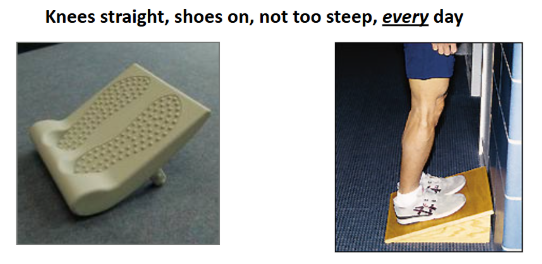
A realistic maintenance routine
- Slant-board calf stretches — 3–4 times per week, 3–5 minutes per session.
- Morning toe stretch — before first steps on days when you feel stiff.
- Heel raises — 1–2 times per week to keep calf strength (from Stage 3).
- Supportive shoes — especially after a long day on your feet or on hard floors.
Watch the Four O's
The same factors that slow recovery can trigger a return of symptoms: overuse, overweight, overtight calves, and older age (slower tissue recovery). You cannot change your age — but you can plan around the others.
| Risk factor | What to watch for | What helps |
|---|---|---|
| Overuse | Sudden jump in steps, standing, running, or sport | Build back gradually — use your Stage 4 rules |
| Overweight | Weight gain of even a few pounds | Small sustained changes beat crash diets |
| Overtight | Skipping stretches for weeks | Restart slant-board work before pain returns |
| Older age | Expecting day-to-day recovery from load spikes | Progress more patiently; judge over weeks |
Footwear for the long term
You may not need arch-support insoles forever, but very flat shoes and long barefoot time on hard floors often provoke symptoms again. Keep a supportive pair for busy days.
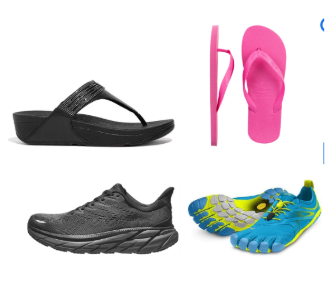
- Rotate worn-out trainers — cushioning compresses over time.
- Keep simple insoles in your most-used shoes if they helped during recovery.
- Holiday flip-flops and hard hotel floors are a common flare trigger.
If symptoms creep back
A short flare does not mean you are back to square one. Usually it means load outpaced maintenance for a while.
- Restart daily slant-board stretching for 1–2 weeks.
- Reduce aggravating activity (especially running or long standing).
- Check footwear and insoles — replace if worn.
- Return to morning toe stretches before standing.
- If not settling in 2–3 weeks, review Stage 2 load rules or seek advice.
Do
- •Treat maintenance as normal life, not a temporary chore
- •Use morning first-step pain as your early warning sign
- •Keep a lighter version of strength work once or twice weekly
Don't
- •Abandon all stretches because you feel fine for a month
- •Jump from no running to a race because symptoms were gone briefly
- •Ignore gradual weight gain or a new unsupportive shoe habit
When to seek help again
Arrange a review if pain is worsening despite restarting the basics, if you cannot put weight through the foot, or if symptoms no longer fit a simple plantar heel pain story. For most people, a short return to Stage 1 habits is enough — see our overview FAQ and diagnosis & symptoms FAQ for when professional review is worth arranging. The plantar fasciitis course covers the full pathway if you want a structured refresher.
Recovery is a habit, not an event
Heel pain rewards boring consistency. The patients who stay comfortable long-term are usually not doing anything dramatic — they stretch several times a week, wear sensible shoes on hard days, and respect load spikes. That is Stage 5.